
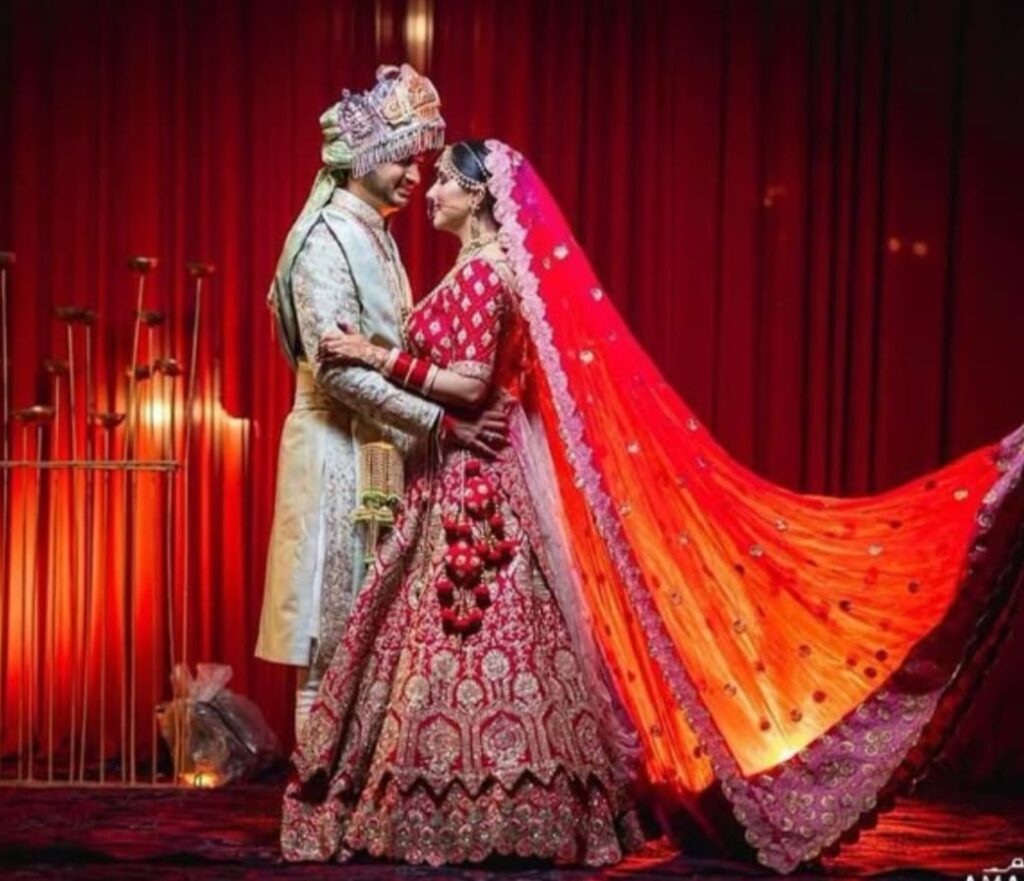
Wedding Planning: A Step-by-Step Plan to Create Lasting Memories
Want your 2026 wedding to be memorable not only for you but also for your guests? Here’s a step-by-step wedding planning plan to help you easily organize this special event.
1. Decide on a wedding date: Everyone chooses their own date based on their preferences. Some turn to astrology or numerology, while others choose a day that has special significance for them. Dates with beautiful number combinations are popular, and summer is the peak time of year for weddings. Ultimately, the most important thing is choosing a wedding that makes you happy.
2. Choosing a wedding theme: ask yourself a few questions to determine your wedding style. What interests do you and your beloved share? Who do you want to be with you on this special day, and what are their interests? Where would you like to hold the wedding—in a fairytale kingdom, at a retro party, or perhaps in a traditional Russian style? Many prefer a wedding with a specific color scheme, which will be reflected in the details of the decorations and attire.
3. Choosing outfits for the newlyweds: When choosing outfits for the bride and groom, the most important thing is comfort. Remember that a long day in an elegant dress may not be the most pleasant if it is too tight or uncomfortable. It’s best to not delay buying outfits and start choosing them after deciding on the style and wedding date. Pay attention to shoes; bring a spare pair to avoid any problems.
How to Prepare for a Wedding Photoshoot: Tips on Attire, Makeup, and Posing
How do you prepare for a wedding photo shoot to ensure it’s stress-free and perfect? How do you choose an outfit, makeup, and poses for the shoot? How do you find a professional and talented Wedding Photographer who can bring all your wishes and visions to life? In this article, I, a wedding photographer with over 10 years of experience, will share my tips and recommendations for organizing and executing a wedding photo shoot.
How to choose an outfit for a wedding photo shoot?
A wedding photo shoot outfit should not only be beautiful and elegant, but also comfortable and appropriate for the chosen location and style of photography. Here are a few rules to help you make the right choice:
– Choose an outfit that matches the theme and concept of your wedding. If you’re planning a classic or romantic wedding, choose a traditional white or pastel dress for the bride and a black or navy blue suit for the groom. If you’re looking for a unique or unusual wedding, experiment with the color, style, and accessories of your outfit. For example, you could choose a dress in a bright or contrasting color and add unique details.
– Choose an outfit that suits the weather and season. If you’re shooting a wedding in winter or fall, don’t forget warm clothes and shoes that complement your outfit. You can use a fur coat, overcoat, blanket, scarf, and a warm jacket or raincoat for the groom. If you’re having a wedding photo shoot in the summer or spring, consider light and airy fabrics that won’t restrict your movement and breathing.
4. Choosing a wedding venue: Depending on your preference, the ceremony can take place either at a registry office or at an off-site ceremony. An off-site ceremony can be formal or staged, at a restaurant of your choice or at a specially prepared venue. In any case, before the off-site ceremony, you must visit the registry office to have your passports stamped and receive your marriage certificate.
5. If you want to preserve the memory of a special day in your life and be able to recreate it again and again, then you need to carefully choose a photographer and videographer. Before choosing a photographer and videographer, be sure to check out their portfolio and see what options they offer for photo sessions and filming. It’s also worth visiting the venue where your celebration will take place—the registry office or another wedding venue. If you prefer a stroll around the city, professionals in this field will be able to suggest ideal locations and options for capturing the most beautiful moments. It’s also common for young couples to film a “Love Story” to show to guests on their wedding day.
Typically, a video is ordered (2-3 minutes), sometimes an Instagram teaser (up to one minute), or a full-length film lasting 20 to 60 minutes. Six-hour wedding videos are a thing of the past. Short films are much easier to view on social media and share. As for photography, the best option is definitely to book a photographer for the entire event to capture the entire wedding day.
When choosing a host, it is recommended to choose a person who is a kindred spirit. They should be well-versed in your needs and wishes, be pleasant and friendly in communication, offer a variety of ideas, and be able to adapt to the atmosphere created by the guests. Most importantly, your host should be a professional in their field. The first meeting will help you assess his professionalism.
6. When choosing a restaurant, there are several key factors to consider.
First and foremost, check the restaurant’s capacity. Besides tables, it’s important to consider whether there’s sufficient space for a dance floor and a host. It’s also recommended to confirm the cost of the banquet and service, as well as any room rental and corkage fees. To save time, it’s recommended to obtain this information by phone before visiting the restaurant.
For a more accurate idea of the quality of the food, it’s recommended to dine at the restaurant before signing the contract. You can also order a banquet menu tasting to ensure the food is tasty and meets your preferences.
Don’t forget the importance of the interior, restrooms, and access to the street for guests. It’s also important to consider transportation access and ease of travel to the restaurant. Enclosed country estates, restaurants with panoramic views of nature or bodies of water, and tents are particularly popular among visitors.
7. Moderation is key when decorating the hall. Don’t try to fulfill every desire or unimaginable idea. Everything should be harmoniously combined and aesthetically pleasing.
This year, brides are opting for classic styles and pastel tones. Delicate colors add charm and sophistication to the celebration. They’re aiming for more florals and fewer heavy structures, embracing minimalism. Lighter shades are also being chosen for textiles. Chair covers are being given way to other decorative elements.
I hope this step-by-step plan will help you prepare for your wedding and create an unforgettable event filled with positive emotions and memories.
Why do you need love story photography?
A love story photoshoot is a photography format that focuses on love, emotions, and the story of two people. Here are a few reasons why most people choose a love story photoshoot.
A love story photo session is a photography format that focuses on the love, emotions, and story of two people. Here are a few reasons why most people choose a love story photo session:
1. To remember special moments: A love story photo session helps capture important and exciting moments in a relationship, such as an engagement, first date, anniversary, or even just everyday moments with your loved one. These photos can then become precious memories that last a lifetime.
2. To express love and affection: Photos of love and romance beautifully convey emotions and feelings. A love story photo session is a wonderful way to express your love for your partner and show your connection and affection for each other.
3. To create unique images: A love story photo session provides the opportunity to create unique and beautiful images with special meaning. Photographers can help choose the right location, props, or style to create the perfect atmosphere for the shoot.
4. To prepare for the wedding: A love story photo session can be a great opportunity to practice before the wedding. It will help you feel more comfortable in front of the camera, allow you to get to know and build a good rapport with the photographer.
5. Gift for a partner: A love story photo shoot can be a great gift for a partner. Beautiful and emotional photos can be captured in an album, framed, or even on canvas, so they can relive their special moments together at any time.
However, each person may have their own reasons and motivations for a love story photo shoot. These are just some of the most common reasons why people decide to have such a photo shoot.
Photoshoot Rules: A Complete Guide to Preparation!
Most of my clients are people without extensive professional photography experience. I’ve developed a short guide specifically for them, outlining the most important rules for a successful photoshoot. By following these rules, anyone can feel confident during the shoot and get great shots.
What do I define as a successful photoshoot? It’s a time when the subject opens up in front of the camera, bringing their idea to life or simply revealing themselves to the world. It’s a mutually creative process that results in photographs you’ll want to look at and share with others.
Before preparing for a photoshoot, it’s important to choose a good photographer with whom you’ll feel comfortable working. Look for examples of their work (does their style suit you?), client reviews (contact them on social media), and the feeling you get during a face-to-face meeting. Was the conversation tense, or are you shy about asking a question? Look for someone who puts you at ease and in whose presence you’ll feel comfortable.
Once the shoot date is booked and you’re confident in your choice, you can begin preparing. A photo shoot is always a two-person process: the photographer and the model, and the outcome depends on both!
Here are the top 13 rules for a studio photo shoot.
1. Be sure to discuss all the details with the photographer, clarifying any details regarding retouching, color correction, and the approximate number of photos. It’s best to visit the studio in advance , look at the available props, backdrop, and furniture, and imagine yourself there. Ask directly how the shoot will proceed, including where and when you can change outfits. If you don’t like the setting, consider changing the location before signing the contract.
2. Brainstorm your ideas; don’t rely entirely on the photographer’s guidance and vision. Explain the desired outcome, including your look, the setting, and the theme. Examples of other photographers’ work can help – gather everything you like and keep the ones that resonate most. This will create a small selection – a rough plan of action.
3. Prepare your props and everything you need in advance so you don’t forget anything in a rush.
4. Choose your clothes, hair, and makeup wisely – this is very important! I’ll dedicate a separate section of the article to this below. Bring a few accessories to spice up your look (jewelry, hat, scarves, glasses).
5. Groom yourself in advance.Get a peel and wax 1-2 weeks before your studio photo shoot. Avoid this 1-3 days before the shoot, as minor skin injuries will show up in the photos. The same applies to permanent makeup and massages. In the studio, under the powerful light of powerful devices, every bruise and scratch will be visible. Intensively moisturize your face and body to prevent peeling and inflammation. Get a neat manicure and pedicure that matches your chosen look. Try to avoid sunburn, striving for the perfect tan.
6. Remember that a studio photo shoot is hard work, both physical and emotional, so don’t arrive hungry or, on the contrary, eat too much the night before. Bring a light snack and a bottle of water or juice (tea and coffee will stain your teeth).
7. Get enough sleep! A good night’s rest is the key to a good mood and well-being.
8. Relax and get into a positive frame of mind. Before the shoot, avoid arguing, discussing disturbing news, smoking heavily, or drinking too much coffee. Turn off your phone, turn on your favorite music, dance or stretch, shake your legs and arms to release tension, stretch, and breathe evenly and deeply. Don’t constantly think about the result; enjoy the process and be in the moment.
9. Be yourself; don’t play a role that’s alien to you. Exception: a themed shoot with a well-thought-out image and certain acting skills. In other words, don’t play a vamp if in real life you’re a giggly, freckled woman adored by your friends.
10. Learn the rules of posing in front of the camera, practice in front of a mirror at home, watch videos about photo poses, and watch behind-the-scenes footage from photo shoots – this will give you confidence.
11. Pay special attention to your facial expressions, practice them in front of a mirror, portraying various emotions. Forget about duck-pupped lips; make sure the corners of your mouth don’t turn down. Your gaze should be lively, not dull.
12. Prepare your face and body as thoroughly as possible before the studio shoot: teeth, skin, and hair should be clean.
13. If you plan to take nude or semi-nude photos, avoid tight underwear, as it can leave marks on your skin for a long time. Don’t forget a light robe, moisturizing body lotion, or oil with shimmering particles.
Outdoor photoshoot rules: useful life hacks.
An outdoor photo shoot has several advantages over a studio shoot. You don’t have to pay for a studio, there’s usually plenty of light, making it easier to breathe and feel more at ease. The model doesn’t have to struggle to pose against a white background, where all attention is focused on her. The downside is unexpected bad weather and curious passersby if the location is a busy one. So, what should you do to prepare for a photo shoot in a field , park , forest, or on the beach?
- It’s a good idea to have an idea before you start searching for the perfect location. How do you see yourself in the photo? A forest nymph, a frog princess, or perhaps a mermaid on a riverbank? A clearly defined image and a central idea will make the work of the photographer and model, as well as preparation for the photo shoot, easier.
- Bring an assistant to help you with outfits and props, as there won’t be any hangers, chairs, or mirrors in the park. Their job will be to help you change clothes, carry the jacket you’ll need to shed for a few shots on a cool day, and ensure the safety of the rented props or outfit. They shouldn’t influence your behavior during the shoot (an overly jealous boyfriend or a demanding/worried mother wouldn’t be a good fit).
- Choose and visit a location for an outdoor shoot in advance, assess its accessibility, popularity, and suitability for shooting in various weather conditions.
- The best time for a photo shoot is early morning or before sunset, when the light is soft and there are no harsh shadows. Be prepared in advance and don’t be late for the shoot, as the necessary lighting disappears very quickly.
- Decide right away what you are willing to do for a good shot: lie down on the grass, climb into the water or a tree, or get naked, covering yourself with an armful of flowers?
- Choose a look that best suits the surrounding landscape. Your shoes should be comfortable, your makeup should be either stylized or natural, and your clothes should allow you to move freely. Smokey eyes and stilettos look odd on a forest path, don’t you agree?
- Dress appropriately for the weather conditions, or be prepared for a limited number of shots and targeted, effective work when you shed your fur coat for a striking shot in a dress in the snow—art requires sacrifice.
- Bring with you: an umbrella, a blanket or sweater, snacks and water for everyone, a mat, insect repellent, wet and dry wipes, a cosmetic bag with a mirror.
If a breeze picks up during a photo shoot, take advantage of it to play with your hair and light fabrics. Be free and relaxed! Use props and move around nearby locations to add variety to your photos.
Rules for photoshoots with children:
It’s simple: focus on the little ones’ needs and enjoy the moment without focusing on the expected outcome, as things may not go exactly as planned. If a photographer frequently photographs children, they will adapt to their needs in any situation and capture as many successful shots as possible.
When preparing for a photo shoot with children, be sure to follow these guidelines:
- choose the right time when all participants are well-fed, happy, and well-rested;
- Tell your child about the photo shoot in advance, get him ready to expect something interesting and unusual;
- Be sure to take a tasty snack with you that won’t stain your face or clothes;
- encourage your child with praise and the promise of a little surprise;
- Plan your sequence of shots clearly so you don’t waste precious time thinking or searching for a suitable location;
- A favorite or new toy, balloons and soap bubbles improve the mood and can be excellent props for a photo shoot;
- Don’t force your child to do anything they don’t want to do. A forced smile isn’t what you want, right? Little ones are wonderful in their spontaneity; allow them some freedom.
How to pose correctly for photos?
Remember to constantly move to get a more varied shot. Lie down, stand up, walk, run, turn around, dance, lean against a support, pick up an object, improvise.
Let’s start with the back. Keep it straight and square your shoulders, but don’t tense up too much. To make a woman’s figure more graceful in the frame, bend as much as possible. The body should be facing away from the camera; don’t clasp your arms, so the waist is visible.
Turn your legs slightly out to the side to make them appear longer. For the same purpose, stand on your toes – this will make them look more graceful. Knees turned toward the camera add 2 kg. Watch your toes – they should be together and not arched upward; a shoe-shaped foot looks best.
Work your arms, cross them under the chest, place them on your waist, touch your face or hair, or put your thumbs in your pockets. Your hands should always be pointed sideways toward the camera.
When taking a portrait, you can squint your eyes slightly and open your mouth slightly. Don’t hang your head too low or lift your chin. Smile, laugh, look sad, or gaze into the distance.
And most importantly: don’t be afraid of bad shots, as they can be removed with the click of a button.
Makeup rules for a photo shoot.
Of course, it’s best to consult a professional makeup artist, as modern cameras can capture the smallest details. Sloppy makeup can ruin any photo, and meticulous retouching of each shot to correct all mistakes will cost significantly more than a makeup artist. Moreover, with professional makeup, you’ll feel much more confident.
If you decide to do your own makeup, be sure to consider the following recommendations:
- Mattifying products will help avoid the most common problem: shine. Wipes aren’t enough; it’s better to choose a reliable powder and a non-greasy foundation that won’t bleed under spotlights or during physical activity.
- Pay special attention to eliminating dark circles under the eyes and smoothing the skin texture.
- The shade of your foundation should match the tone of your neck and shoulders to avoid a mask-like effect.
- Apply a long-lasting lipstick or gloss to your lips so that the pigment stays in place during the shoot and isn’t “eaten away.”
- Shape your eyebrows, eyelashes, and cheekbones a little more intensely than you would in everyday life.
- Be sure to take all used products with you to touch up your makeup.
Photoshoot Attire.
Choose 2-3 outfits for a standard studio photoshoot and the same number for an outdoor shoot. It’s best if the outfits are completely different to showcase all facets of your personality. For example, a flowy dress, trousers and a tailored jacket, or a tank top and ripped jeans.
If you prefer, you can rent a luxurious suit or dress; photo studios often offer this service, which is very convenient. If you don’t plan to spend a lot of money on clothing for the photoshoot, take the time to do a wardrobe review the day before the shoot. Try on different looks in front of a mirror, take photos, and show them to the photographer; they’ll be able to suggest what will look best on camera. Don’t bring a pile of clothes with you hoping to sort them out right in the studio—you’ll waste precious time, which is limited during the shoot.
It’s better to wear something casual but flattering and comfortable than a fancy piece that reveals figure flaws and restricts your movement.
High heels are almost always appropriate for studio shoots – they not only lengthen the legs but also tone the buttocks, create a beautiful curve in the calves, and have a positive effect on posture.
Underwear deserves special attention. It should be seamless and nude. Many shots are ruined or require time-consuming post-production due to colored underwear showing through the fabric, bra lace showing through, or the imprint of panty elastic when shooting in low-rise jeans.
If arms are exposed, tights should be avoided, and it’s best to apply a tinted moisturizer or oil to the legs. If the outfit is covered, 20-denier tights in a light tan with a minimal amount of lycra look best.
For couples or group photoshoots, ensure that the outfits of all participants complement each other in the frame and are appropriate for the location. Agree on a style and color scheme in advance, choosing two or three main colors.
Consider the weather forecast and dress accordingly to avoid looking silly in a summer dress among puddles on a city street, while passersby in down jackets stand in the background. The exception is a themed shoot, for which preparation is required in advance (for example, shots of flowing dresses in the snow or love stories of barefoot dancing in the rain). Such photo shoots are meticulously planned and require far fewer shots, but the subjects and photographer consciously accept this for the sake of a striking photo.
The best time for a photo shoot is when:
Without proper lighting, even the most successful shot can turn out flat and lifeless, so it’s important to pay special attention to when you’re shooting outdoors. The best time to shoot is an hour before sunrise or an hour before sunset—these are called “golden hours,” as the images are more three-dimensional and vibrant, and the light at these times is optimal for shooting without additional equipment. You can find out the exact times of sunrise and sunset in your area using specialized photography software or tomorrow’s weather forecast.
It’s important to arrive and prepare for the shoot well in advance, otherwise, all your precious time will be wasted choosing a location and setting up your camera.
Midday is not the best time for a photo shoot at any time of year, as harsh shadows will interfere with your shot. The exception is overcast autumn days, when the sun is pointless, but its diffuse rays barely pierce the clouds.
Therefore, the best times for a photo shoot, both in summer and winter, are the “golden hours” before sunrise and before sunset.